Every dungeon should have a reason to exist. This applies to both gameplay and storytelling. Don’t just place random enemies; give the dungeon purpose. It might teach players a mechanic, reveal a piece of world lore, or contain a plot-important item. For instance, skeletons in a dungeon might guard the tomb of a necromancer, and the treasure at the end could revive a party pet lost two sessions ago. Purposeful dungeons feel meaningful and immersive.
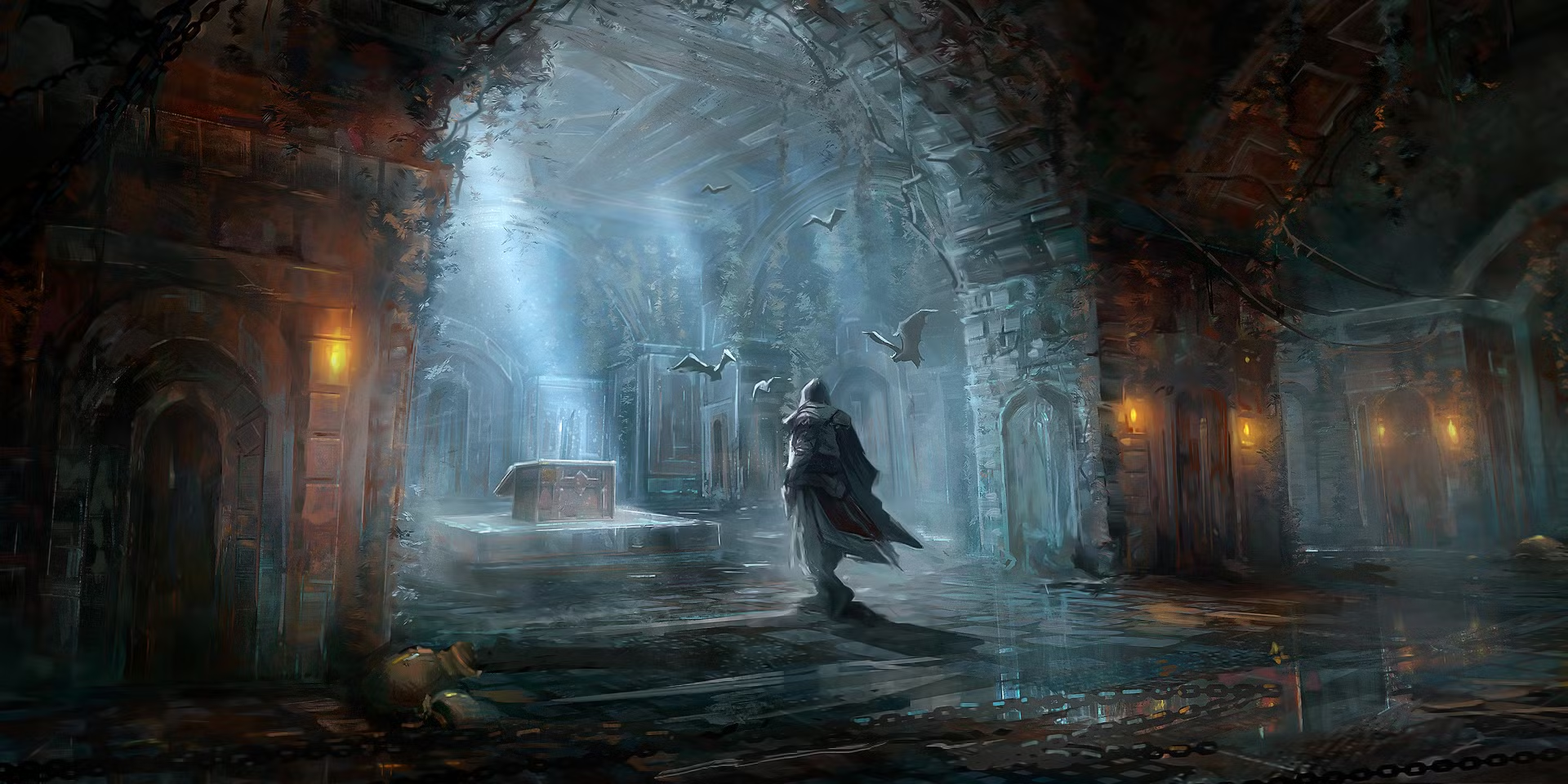
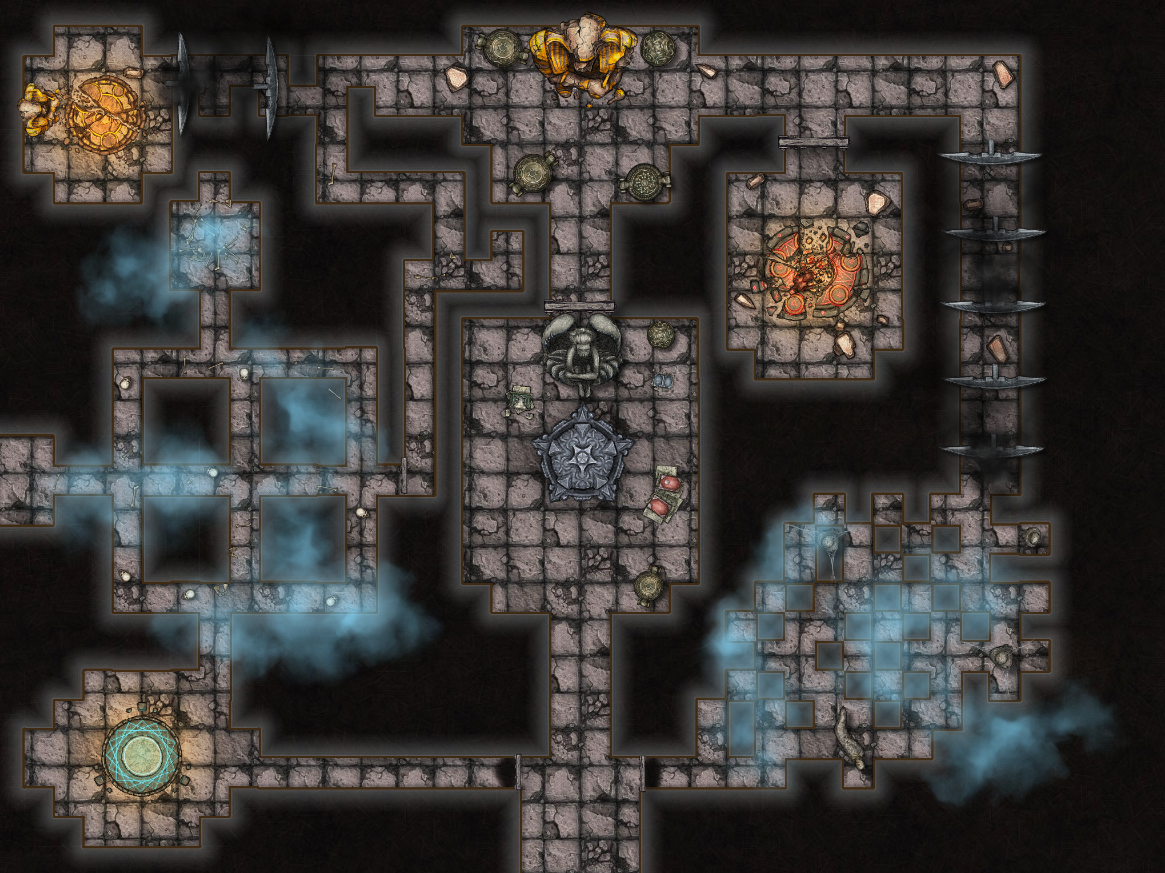
Dungeons should be fun. Combat, traps, puzzles, and treasure keep players engaged. Classic tricks, like a mimic disguised as a treasure chest, add excitement and tension. At the end, players should feel like their efforts paid off, whether it’s loot, story progression, or learning a new skill.
Dungeons often affect the surrounding world. A new dungeon near a town might be dangerous or mysterious, influencing trade, rumors, or NPC behavior. Sometimes, dungeons are old and hidden, with little outside effect, but the internal story should reflect that history. For example, clues in the dungeon could reveal its ancient origins or forgotten purpose, enriching the world-building.